
Dodge County Superior Court
Georgia uses Superior Court as the general-jurisdiction trial court. For Dodge County, that means the local Superior Court is the trial court for felony criminal cases, divorce, title-to-land disputes, equity matters, declaratory judgments, major civil actions, and some appeals from lower courts. The court-record office tied to this work is the Dodge County Clerk of Superior Court at 643 Pearl Bates Avenue in Eastman, with mailing through P.O. Box Drawer 4276, Eastman, GA 31023.
Dodge County belongs to the Oconee Judicial Circuit. That structure matters because the Clerk is local, but judges, calendars, and case-search infrastructure are shared across the circuit. The Oconee Judicial Circuit is the circuit-level reference point for judges, calendars, and the login-gated case-search path. The local Clerk remains the practical office for filings, copies, and county case-file questions.
Dodge County Superior Court should not be confused with federal district court. Federal cases use the U.S. District Court for the Southern District of Georgia, CM/ECF, and PACER. State Superior Court and federal district court are separate systems with different clerks, databases, case numbers, and filing rules.
Dodge County Superior Court Contact
Most local Superior Court record business begins with the Clerk of Superior Court. The official Dodge County court sources list the Clerk and Superior Court record address as 643 Pearl Bates Avenue, Eastman, GA 31023. The phone number is 478-374-2871, and the fax number is 478-374-3035. The Clerk profile lists office hours as 9:00 a.m. to 5:00 p.m., Monday through Friday.
Dodge County Superior Court Records
Clerk of Superior Court: Rhett Walker
643 Pearl Bates Avenue
P.O. Box Drawer 4276
Eastman, GA 31023
478-374-2871
Fax: 478-374-3035
Hours: 9:00 a.m. to 5:00 p.m., Monday through Friday
Dodge County Court Table
The Dodge County court table below separates the Superior Court record channel from the lower courts and specialized courts that can appear in the same person's legal history. A felony case may begin with a warrant or first appearance in Magistrate Court and later move to Superior Court. A marriage license or estate file stays with Probate Court. A juvenile case is not an ordinary public Superior Court case, even when related family issues exist elsewhere.
| Court or office | Local role | Address or phone located |
|---|---|---|
| Dodge County Superior Court / Clerk | Felony, divorce, civil, land-title, equity, court record filing and copy channel | 643 Pearl Bates Avenue, P.O. Box Drawer 4276, Eastman, GA 31023; 478-374-2871; fax 478-374-3035 |
| Dodge County Probate Court | Estates, wills, guardianship, conservatorship, marriage licenses, weapons-carry licenses | Judge Al McCranie; P.O. Box 514, Eastman, GA 31023; 478-374-3775; fax 478-374-9197 |
| Dodge County Magistrate Court | Warrants, first appearances, small claims, dispossessory, preliminary hearings | Chief Magistrate Tom Cranford; 5018 Courthouse Circle, Suite 202, Eastman, GA 31023; 478-374-7243; fax 478-374-5716 |
| Juvenile Court | Dependency, delinquency, CHINS, termination of parental rights, restricted youth records | Judge Stephanie Burton listed by county courts directory; 478-783-2900; fax 478-783-2902 |
| Municipal Court | City ordinance violations and many city traffic matters | Eastman or other city court contact depends on the issuing citation or city clerk |
| State Court, where created | Misdemeanors, traffic, and civil matters not reserved to Superior Court | Verify whether the case type is handled locally before requesting records |
Dodge County Superior Court Compared
Georgia's layers matter because the wrong court search can miss the record. Superior Court is broad and powerful, but it is not the first or final stop for every legal event in Dodge County. Magistrate Court may handle the first appearance after arrest. Probate Court handles estates and marriage licenses. Municipal Court may hold a city citation. Juvenile Court is heavily restricted.
| Point | Superior Court | Probate Court | Magistrate or Municipal Court |
|---|---|---|---|
| Main role | General trial court for felony, divorce, land-title, equity, and major civil matters | Estate, will, guardianship, conservatorship, marriage, and weapons-carry functions | Warrants, first appearances, small claims, dispossessory, traffic, and ordinance matters |
| Record office | Clerk of Superior Court | Probate Court | Magistrate Court or city court office |
| Public access issue | Oconee case search is login-gated; copies often require Clerk contact | No Dodge online probate case search found; some records restricted | Access depends on court, warrant status, and citation source |
| Common mistake | Searching Superior Court for a marriage license or municipal ticket | Searching Probate Court for divorce decree or felony disposition | Assuming first-appearance records are the full final criminal case |
Dodge County Superior Court Movement
Case movement depends on the case type. A felony may start with arrest, jail booking, a warrant, first appearance, and preliminary proceedings before the final Superior Court case is complete. A civil case begins with a complaint or petition, service, answer, motions, hearings, and judgment. A divorce is a Superior Court case, while the marriage license that preceded it is a Probate Court record.
Criminal flow: Arrest or warrant › Magistrate first appearance › bond or probable-cause step › indictment or accusation › arraignment › motions and hearings › plea or trial › disposition and sentencing › appeal if filed.
Civil flow: Complaint or petition › filing with the Clerk › service › answer › motions or discovery › mediation or hearing › trial if needed › judgment › post-judgment or appeal step.
If the case involves a charge after arrest, the jail roster may show an early allegation before Superior Court has a final disposition. For the full case file, use Dodge County criminal court records and the Clerk's copy process.
Oconee Judicial Circuit Records
Dodge County Superior Court is not a stand-alone county-only district. It belongs to the Oconee Judicial Circuit, so Superior Court judges and calendars are organized by circuit. The Clerk site links to the Oconee case-search login page, and the research found that public no-login inspection did not expose full case-search fields or sample records. That makes the Clerk counter, phone, mail, and fax important fallback channels.
The Southern District federal source comes from the U.S. District Court for the Southern District of Georgia. It helps make the state-federal distinction clear, since Dodge County Superior Court is a Georgia state trial court and not the federal district court.
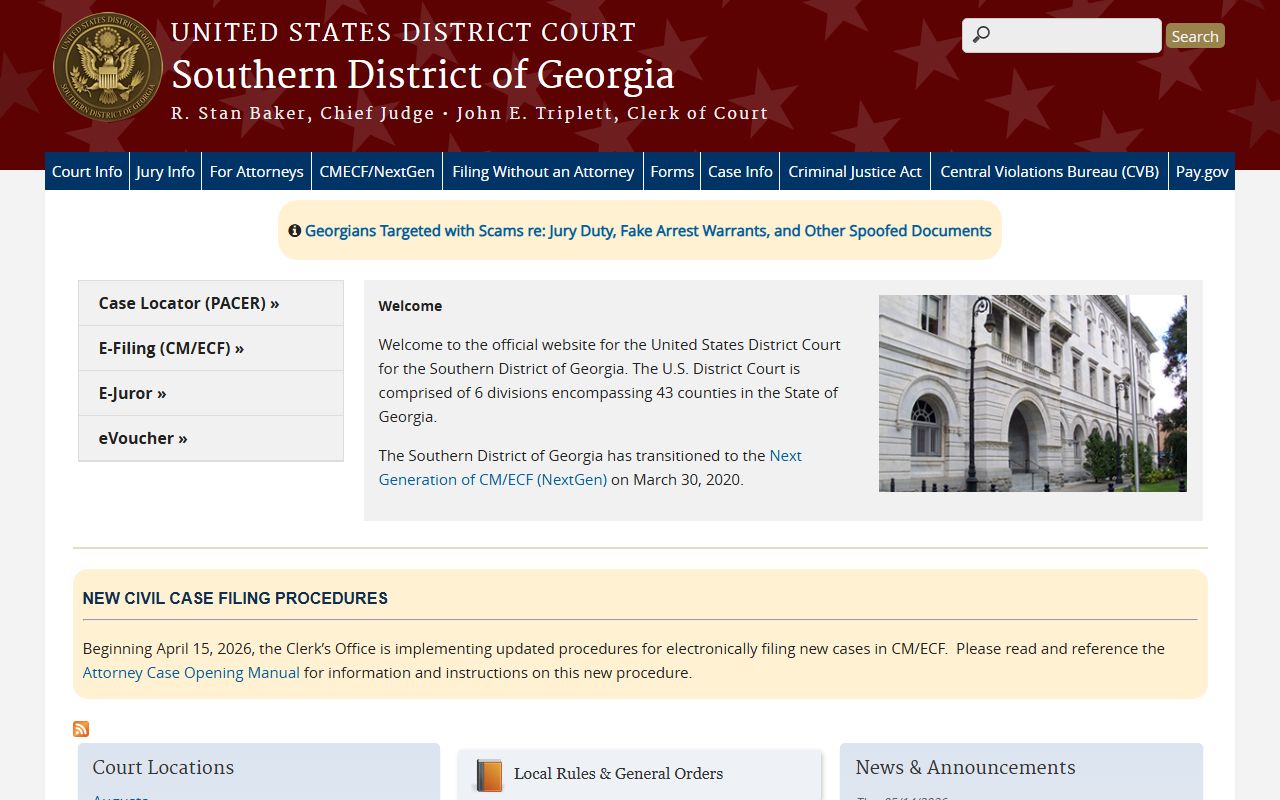
Use the Dodge County Clerk and Oconee Judicial Circuit for state Superior Court records, and use federal court tools only when the case is truly federal.
Dodge County Lower Courts
Lower courts can create records that later connect to a Superior Court case, but they are not the same record system. Magistrate Court handles warrants, first appearances, small civil claims, dispossessory cases, preliminary hearings, and many county-level warrant functions. Probate Court handles estates, wills, marriage licenses, weapons-carry licenses, guardianships, and conservatorships. Juvenile Court handles youth matters and is not open like an adult civil docket.
Municipal courts, such as Eastman Municipal Court when a city citation or ordinance case is involved, can handle local ordinance and traffic matters. State Court exists in Georgia where the General Assembly has created it; those courts generally hear misdemeanor criminal cases, traffic offenses, and civil matters except matters reserved to Superior Court. The research warns against assuming every traffic citation or misdemeanor belongs in Superior Court.
Note: Check the issuing court on a citation, warrant paper, or notice before requesting a Dodge County Superior Court file.
Dodge County Federal Distinction
Dodge County, Georgia falls within the federal court system for the Southern District of Georgia. Federal civil and criminal cases are not filed with the Dodge County Clerk of Superior Court. They use the PACER federal records portal, CM/ECF, and federal clerk channels. Federal bankruptcy cases are handled by the U.S. Bankruptcy Court for the Southern District of Georgia, and appeals from the federal district court generally route to the Eleventh Circuit Court of Appeals.
The official PACER source comes from the federal judiciary's case-access portal.
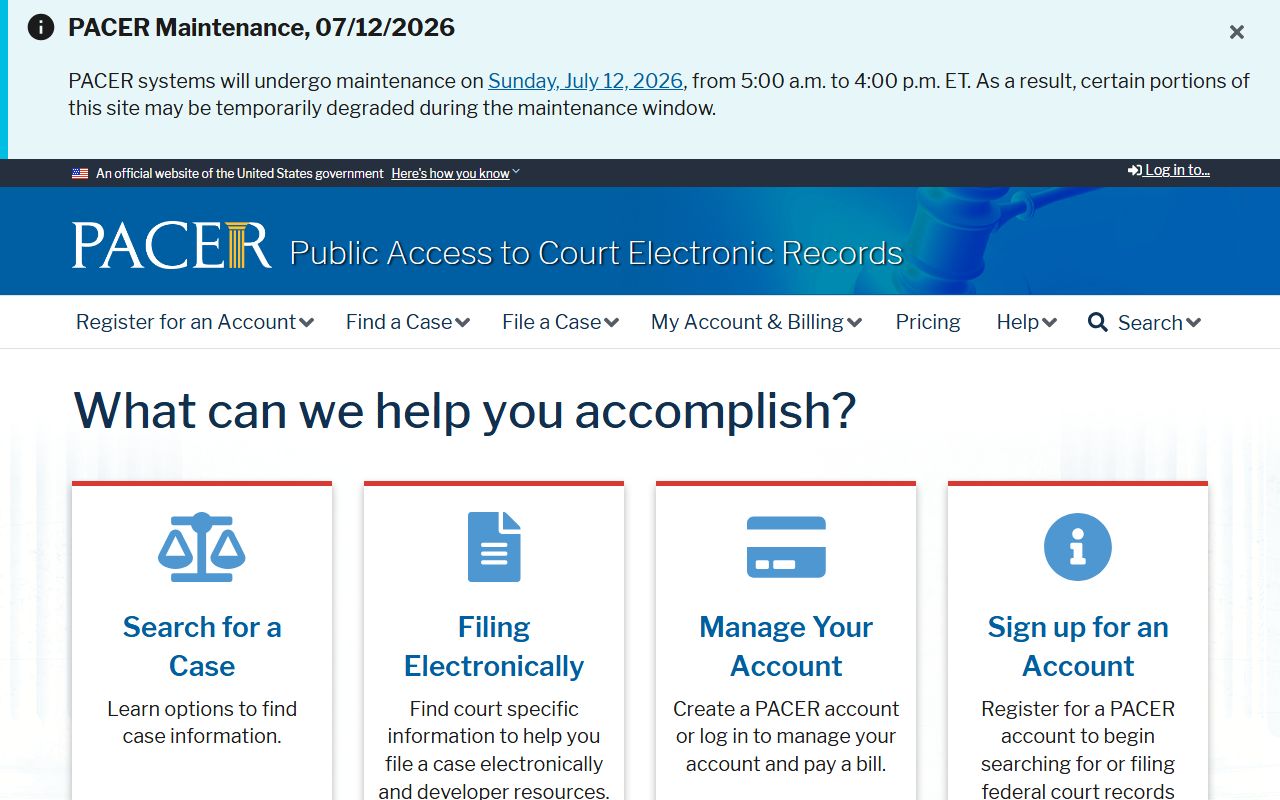
PACER is the official federal docket system, but it is not the place to search an ordinary Dodge County divorce, felony Superior Court case, or local civil filing.
The CM/ECF source comes from the Southern District of Georgia CM/ECF portal, the electronic filing system used for federal district court cases.
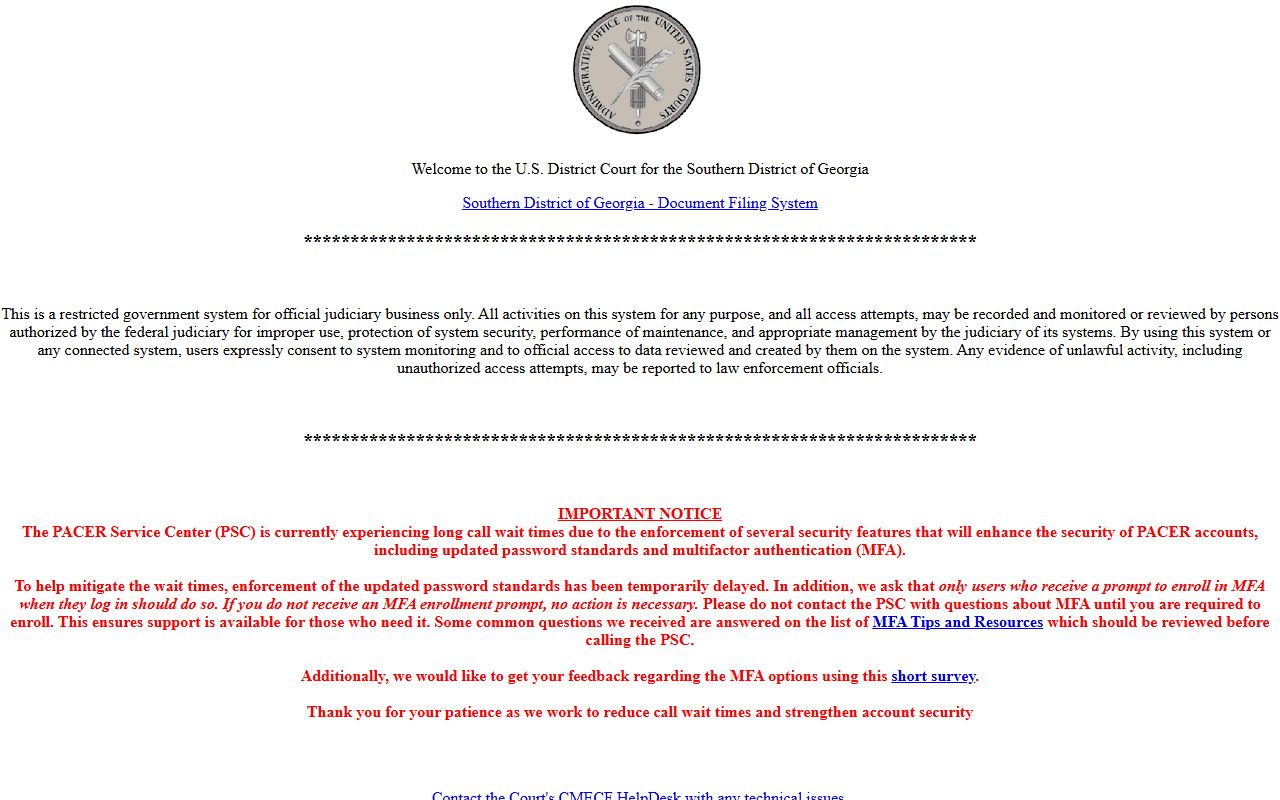
CM/ECF is for federal filing users and should not be confused with the Oconee Judicial Circuit login used for state Superior Court case access.
Dodge Federal Bankruptcy Appeals
Some Dodge County residents may have records in federal bankruptcy or federal appellate systems, but those records sit outside the Dodge County Superior Court file. Bankruptcy matters go through the U.S. Bankruptcy Court for the Southern District of Georgia. Federal appeals go through the U.S. Court of Appeals for the Eleventh Circuit. These federal systems have their own clerks, rules, and search tools.
The bankruptcy court source shows the Southern District bankruptcy route.
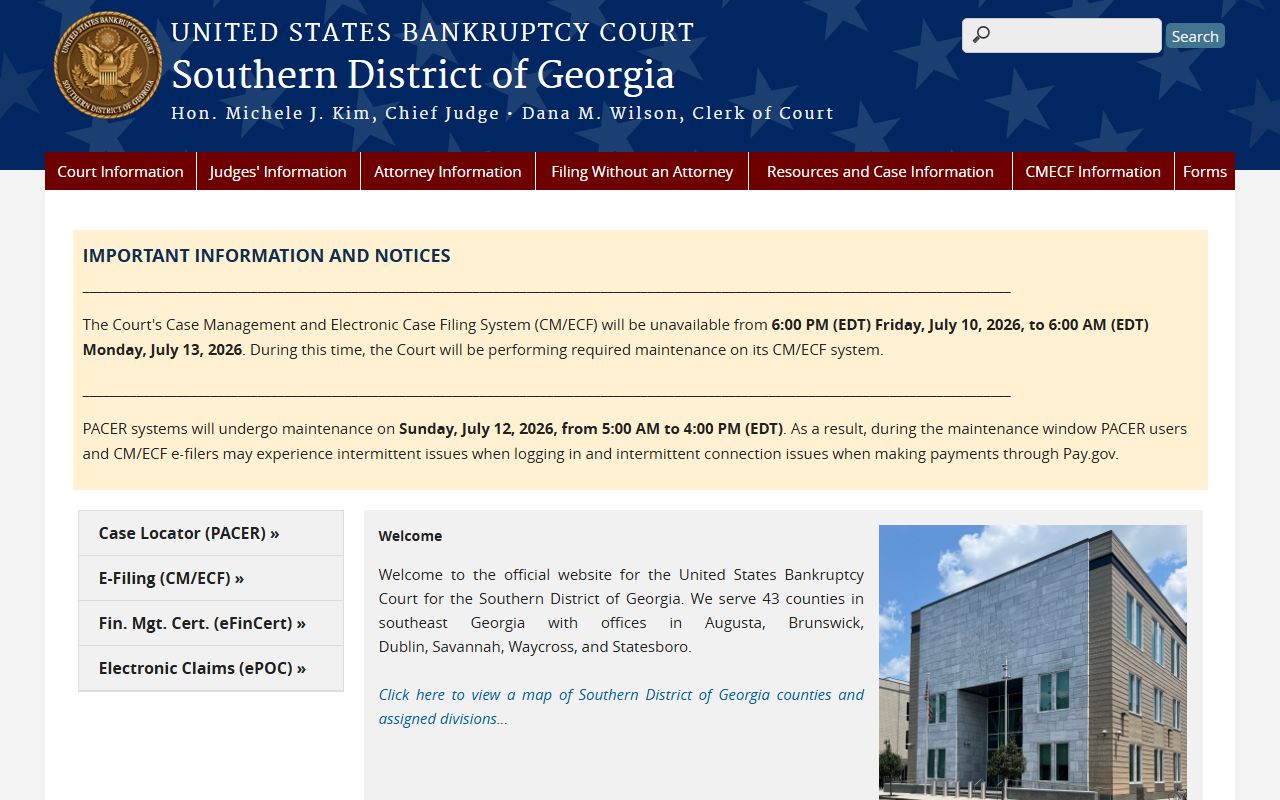
A bankruptcy docket can affect property, debts, and judgments, but it is not filed in the Dodge County Superior Court docket.
The Eleventh Circuit source shows the federal appellate layer for cases that leave the federal trial court.
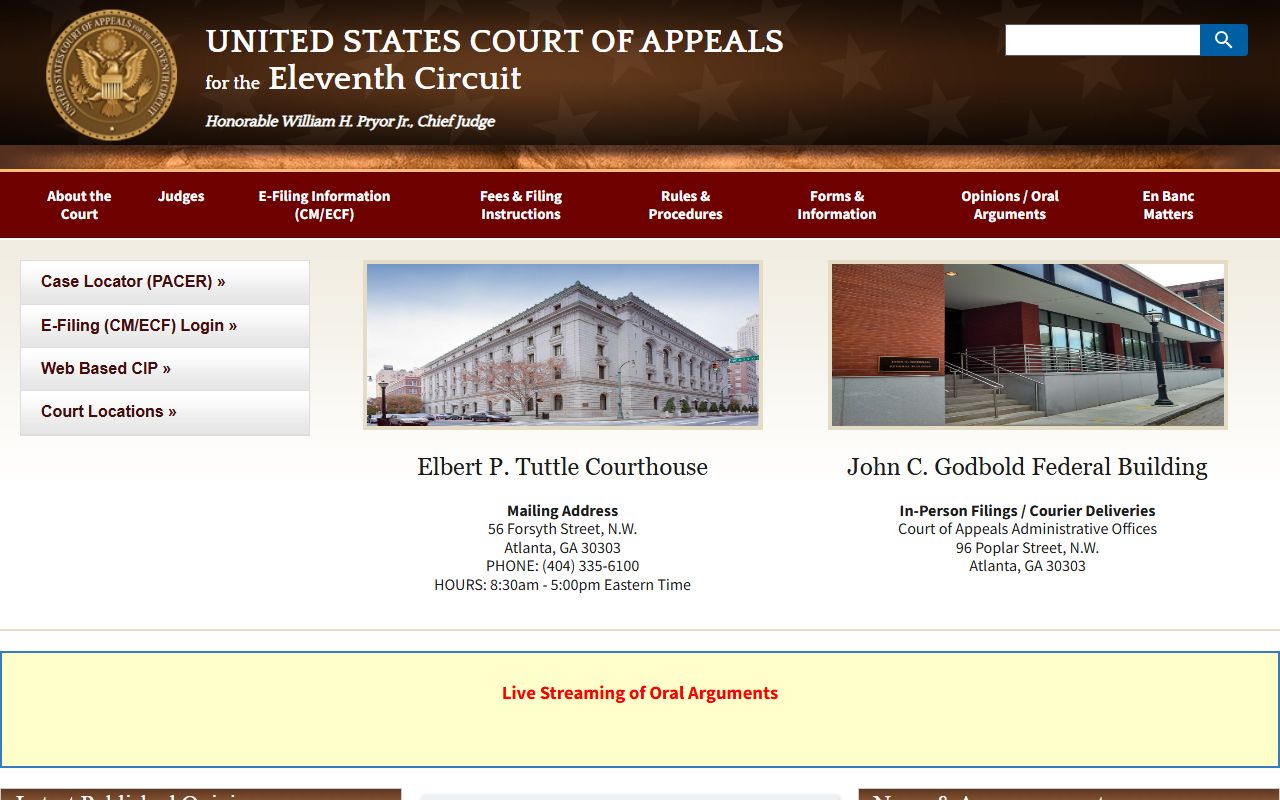
State appeals from Dodge County Superior Court are not Eleventh Circuit federal appeals; they route through Georgia appellate courts when state law allows appeal.
Dodge County Superior Court History
Dodge County's court history follows Georgia's county-courthouse model. Eastman is the county seat, and local court records are tied to the county seat while the Superior Court operates as part of the multi-county Oconee Judicial Circuit. The research did not find an official courthouse architectural history, construction-year source, courthouse fire chronology, architect biography, or named list of notable local cases.
What the sources do show is a hybrid record-access environment. The Clerk website has an older design and a long-running local web presence, while it also links to statewide GSCCCA tools and a modern Cott/RecordHub subscription portal. The sheriff site has a live jail roster embedded from a vendor, which means custody data may be easier to inspect online than final court docket data. For Superior Court records, the local Clerk remains the anchor.